
The weird magic of long podcasts
There is something strangely comforting about a long podcast.
You hit play on a two hour episode, toss your phone somewhere nearby, and just let these voices hang out with you while you wash dishes, commute, or pretend to clean your room.
It feels less like "content" and more like company.
But here is the catch.
Long podcasts are either:
- Deep, addictive, and weirdly intimate
- Or a slow, meandering slog that you abandon at minute 14
Let’s talk about why long podcasts work when they work, when they absolutely do not, and how to make long episodes that people actually finish, especially when you turn them into video.
Somewhere in the middle of this is the whole reason we built Hypnotype, but we will get to that.
Why long podcasts are secretly powerful
Long podcasts do a few things short clips just cannot.
First, they build trust. You cannot fake it for two hours straight. If someone keeps you in their ears for that long, over and over, they start to feel like they know you. Not the polished, tweet-sized you. The real you. The rambly, tangent-prone you.
Second, they let ideas breathe. Complex topics do not fit into 60 seconds. Business stories, personal journeys, nuanced opinions, all of that needs space. Longform lets you circle back, explore, and change your mind in real time.
Third, they fit into life. A 2 hour episode is a background soundtrack for chores, workouts, and commutes. People dip in and out, pause, resume the next day. It becomes a routine.
This is why so many people love things like Founders Podcast, Lex Fridman, or those 3 hour deep dives on weird niche topics. You do not show up for the length. You show up for the immersion.
The big problem: attention in a TikTok world
The downside is obvious.
We live in a world where people scroll away from a video in 1.5 seconds, so asking them to commit to a 2 hour podcast feels insane.
And yet long episodes still work.
The problem is not the length. The problem is the experience.
Long podcasts lose people when:
- The first 3 minutes feel flat or directionless
- There is no visual rhythm if it is on video
- You jump topics with no signposts
- It is just two floating heads talking at each other with zero help for the viewer’s brain
Longform is fine. Long and visually dead is not.
This is especially true once you bring your podcast onto YouTube or social.
If your video is just a static talking head, the content has to work 10 times harder to keep someone from checking out.
Why people stick with 2 hour episodes
If you look at long podcasts that people binge, they usually share a few things.
They have hooks. The intro gives you a reason to care. A question, a conflict, or a clear promise like "Here is how this person went from broke to building a $100M company".
They have narrative. Even in casual conversation, there is a light story arc. Backstory, tension, insight, payoff.
They have moments. The kind of quotable one liners or aha moments that people want to clip and send to friends.
And more and more, they have visual support.
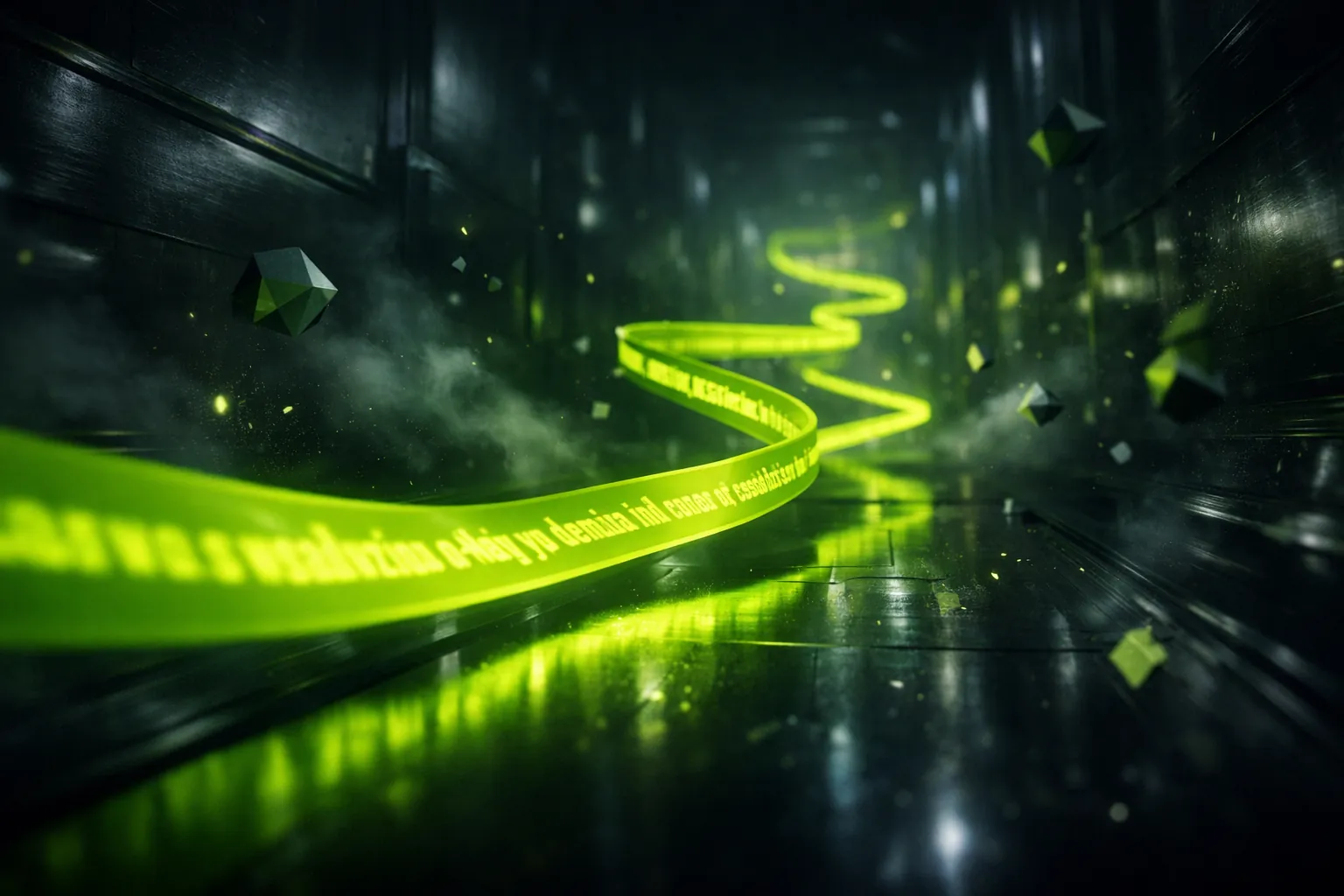
Text callouts. Highlighted quotes. Key numbers on screen. Subtle kinetic typography that makes the words feel alive. Not in a loud, over-edited way, but in a way that helps your brain latch onto what matters.
That last piece is why we got obsessed with turning audio into high retention text animations and ended up building Hypnotype. Long audio needs visual rhythm.
Long audio, short attention: the visual gap
When your podcast is audio only, people forgive a lot.
They are doing other things. Their expectations are different. A bit of rambling is fine.
But once you publish video, you have a new problem.
Your content is now competing with:
- Fast, flashy shorts
- Cinematic vlogs
- Tight, heavily edited explainers
A static shot of two people at a table just does not stand a chance unless the viewer is already a fan.
This is where simple, focused motion design can make a huge difference, especially for longform.
You do not need insane, flashy motion graphics. You just need:
- Key phrases popping on screen
- Important words synced with speech
- Minimalist, clear, almost "Founders Podcast" style kinetic text
That is exactly the vibe Hypnotype was built for. Drop in your audio, get word level synced text, and turn those long rants into hypnotic text animations without becoming a motion designer.
What actually makes a long podcast "worth it" for the listener
If you want people to actually finish your 90 minute or 2 hour episodes, think in terms of moments and map.
Moments are the spikes.
These are the parts where:
- The guest drops a strong opinion
- You share a personal story you almost did not want to share
- A concept finally clicks and you explain it clearly
Those are your highlight beats. They should stand out in the audio and also in the visuals. That is where animated text can really do its thing.
The map is how they get there.
Listeners feel lost when they cannot tell where they are in the journey.
You can fix that with simple moves like:
- Framing: "In this episode, first we dig into X, then Y, then we end with Z."
- Checkpoints: "OK, that was the backstory. Now let us talk about what actually worked."
- Visual anchors: Chapter titles or bold phrases appearing on screen as the conversation shifts
With tools like Hypnotype, those chapter beats can become smooth text transitions that keep people oriented while your voice keeps flowing.
The new game: longform that feels bingeable
Think of your long podcast less like a single giant block of content and more like a series of little dopamine hits stitched together.
From the viewer’s side, a great long episode feels like:
- A calm, deep conversation
- With constant mini insights
- And just enough visual guidance to keep their brain engaged
You are not trying to turn your show into a TikTok edit. You are trying to make it watchable for modern attention spans without killing the longform soul.
That is why we leaned into a minimalist aesthetic with Hypnotype. Word level sync, clean typography, and cloud rendering so you can take your 2 hour talk and turn it into something that feels premium without spending your life in a timeline.
Turning your long episodes into a visual experience
If you already have long podcasts recorded, the fun part is you do not need to start from scratch.
You can:
- Take your best long episode
- Run it through AI transcription
- Identify the key soundbites and segments
- Turn them into high retention clips or even a full text enhanced version
That is basically the workflow Hypnotype is designed around. Drag and drop, get Whisper powered transcription, then play with word synced text to highlight the good stuff.
The result feels like those Founders Podcast style animations where the words appear as they are spoken and you cannot help but keep watching.
Long podcasts are not the problem
Long is not broken.
People still watch 3 hour interviews, binge full seasons of video essays, and re listen to their favorite episodes several times.
What does not work anymore is long, flat, unstructured, visually empty content.
If you care about depth, storytelling, and real conversations, longform is still one of the best formats out there. You just have to package it for how people actually watch and scroll today.
And if you are already putting in the effort to record long episodes, it is worth making them look as good as they sound.
That is why we made Hypnotype in the first place. To give longform creators a kinetic typography engine that turns podcasts and essays into clean, addictively watchable text animations without the headache.
Start Automating Your Kinetic Typography
Don't let manual editing slow you down. Hypnotype turns your audio into engaging video essays with kinetic typography in minutes.
If you are sitting on a pile of long episodes and want to see what they could look like with word synced text that actually keeps people watching, try running one through Hypnotype and see how it feels.